
Toddler Mobility Trainer (TMT)
User Research | Industrial Design & Development | Additive Manufacturing
DESIGNED FOR ACCESSIBLITY
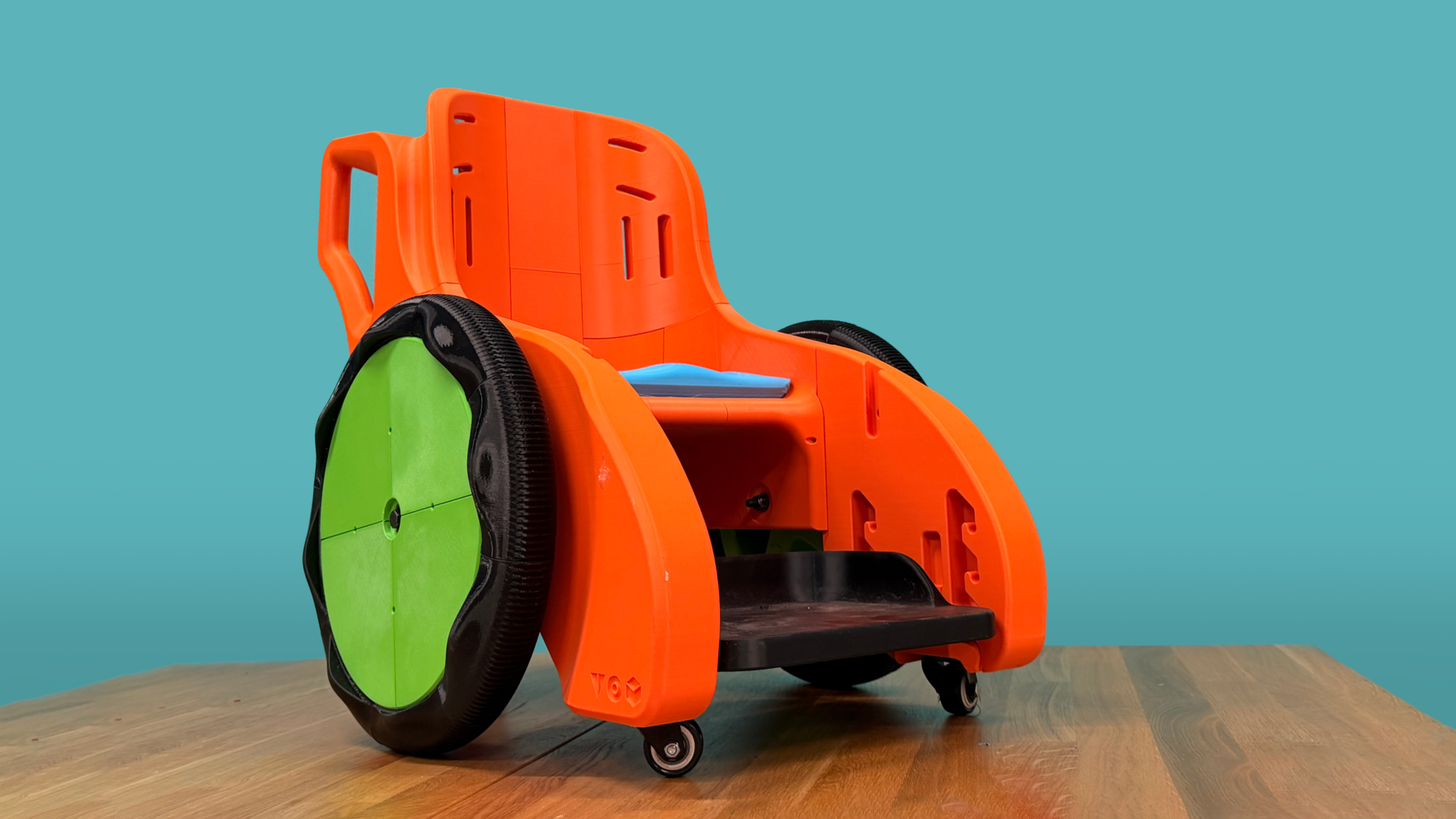
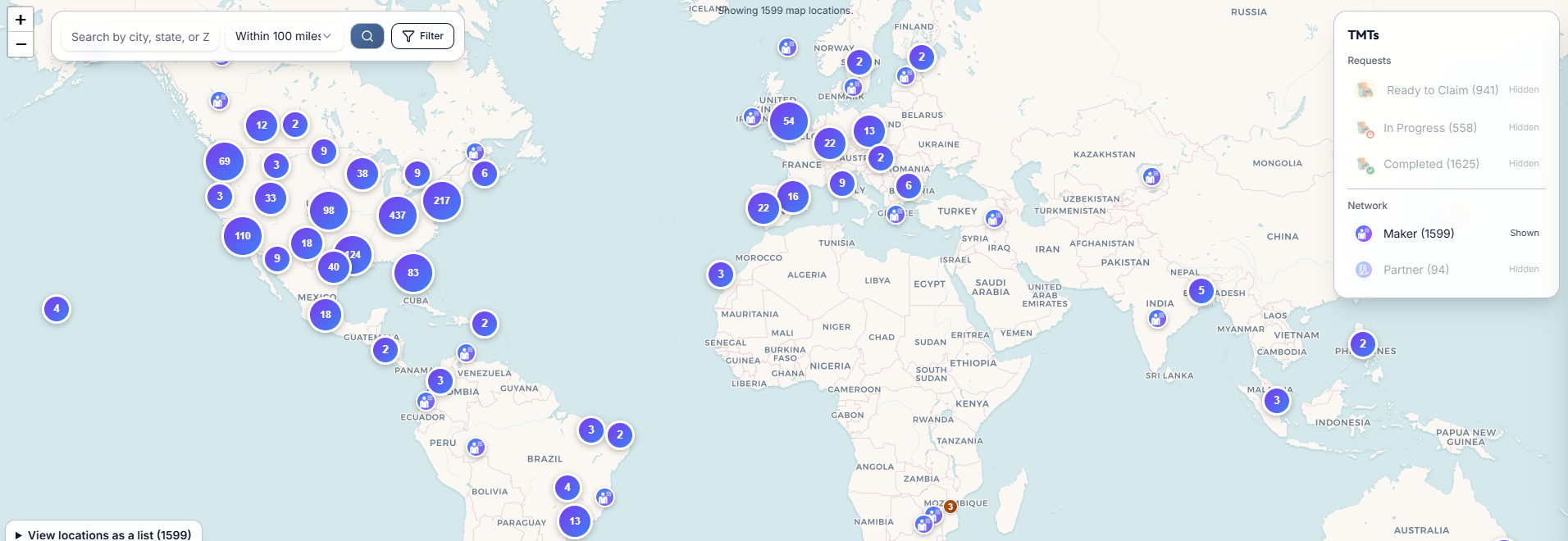
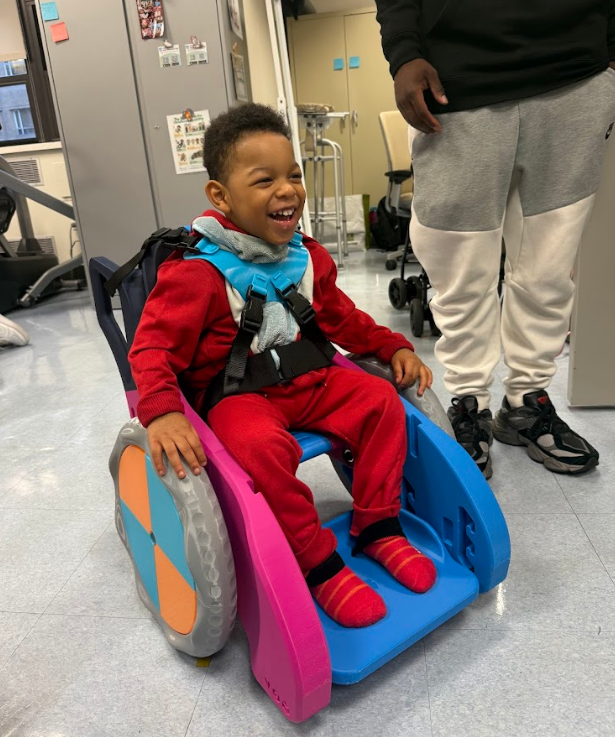
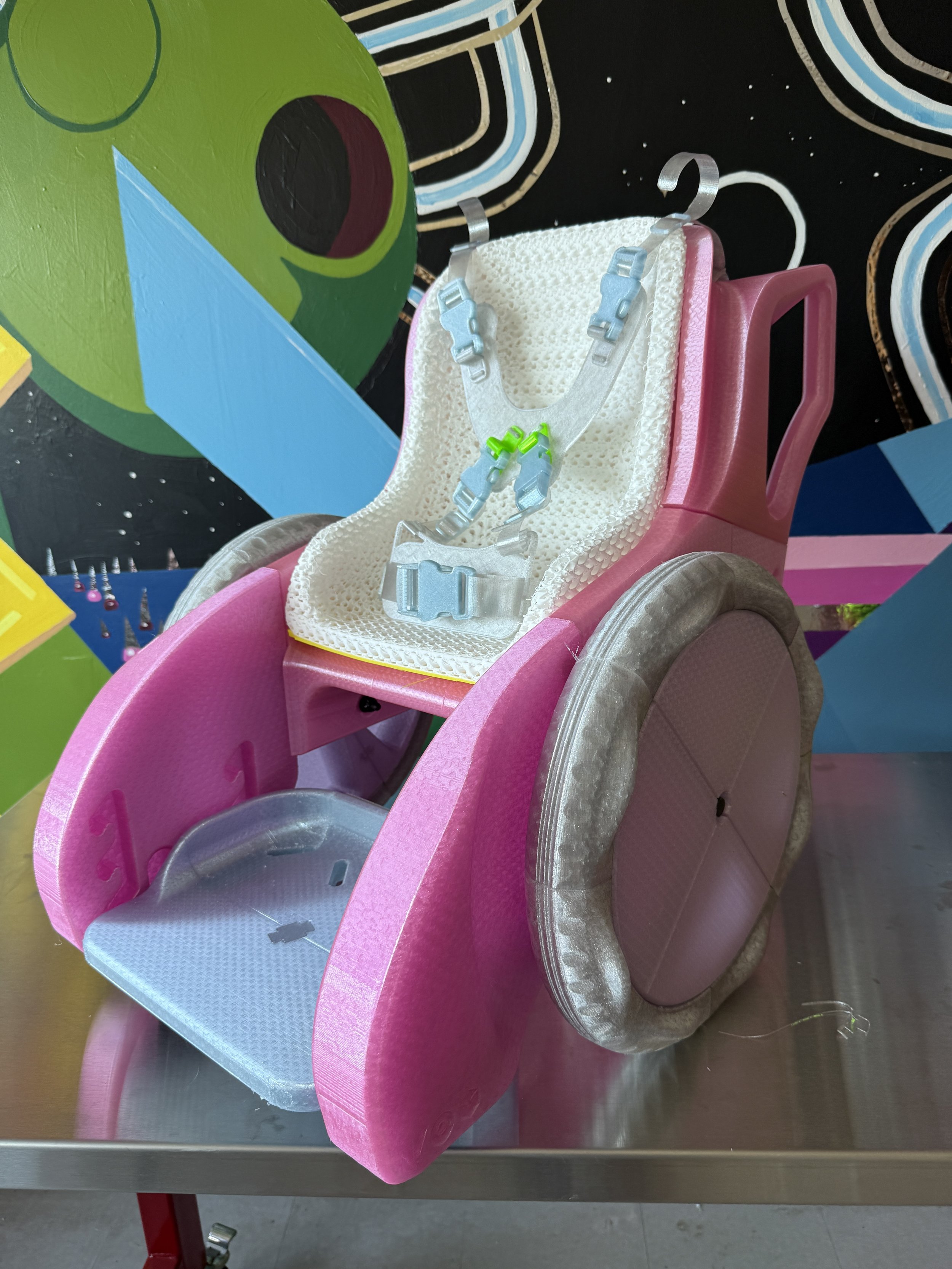
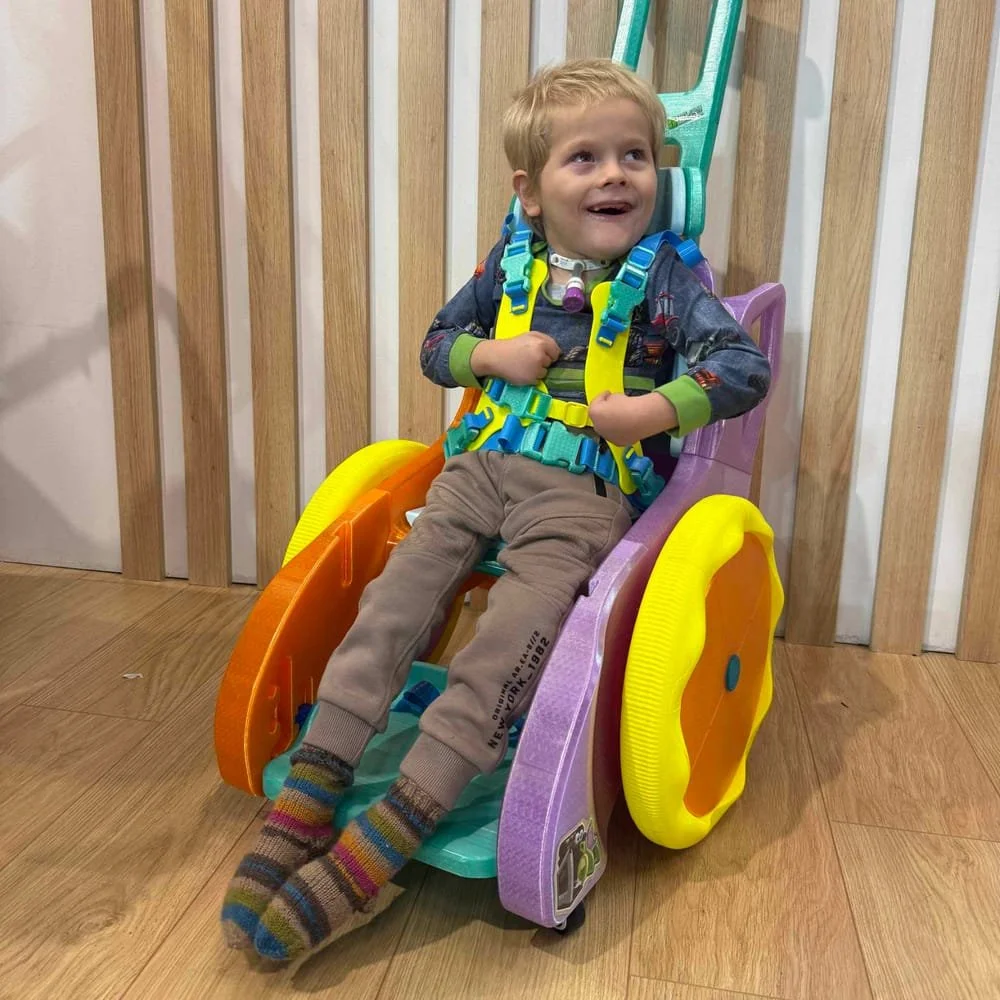
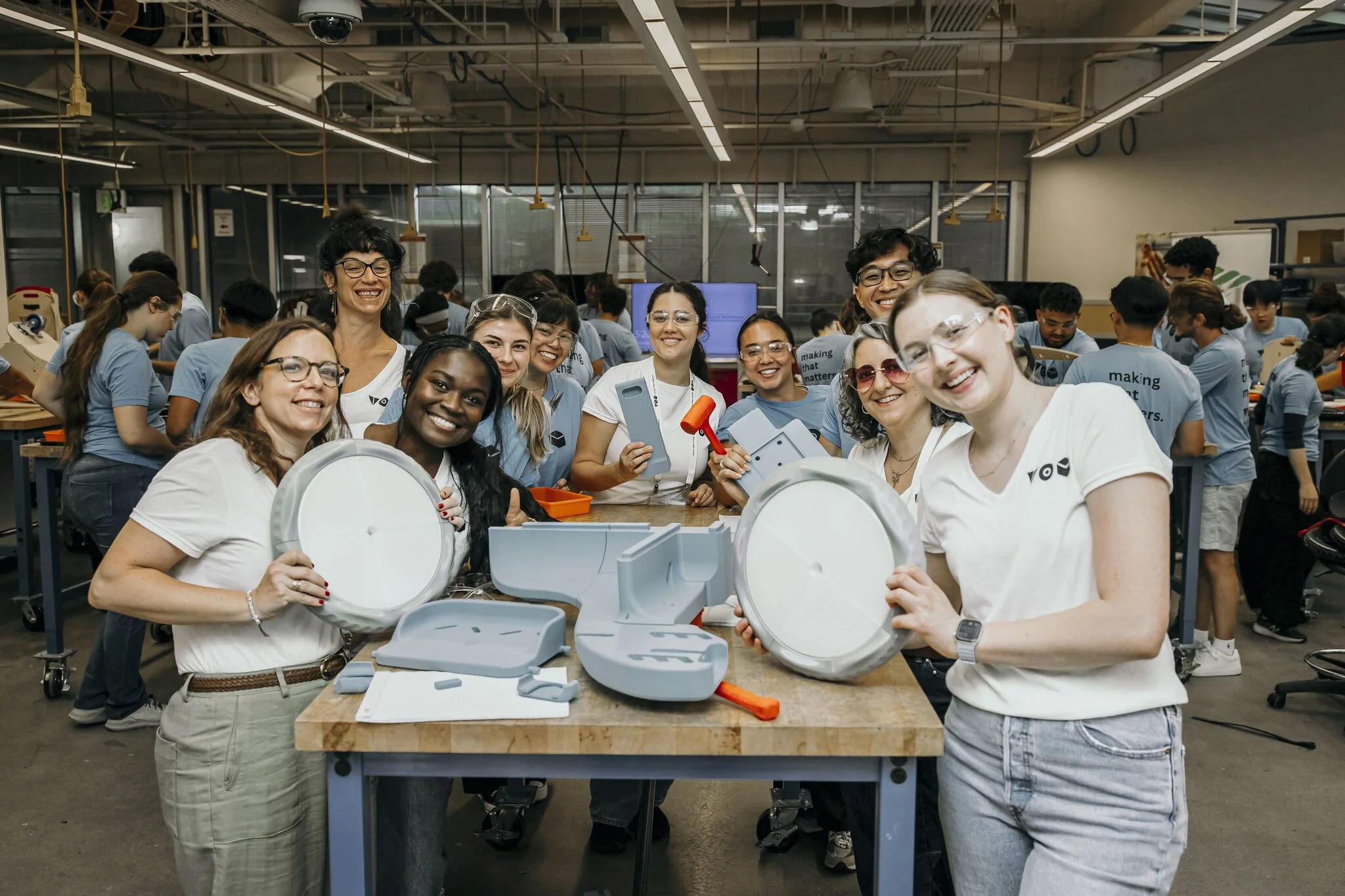
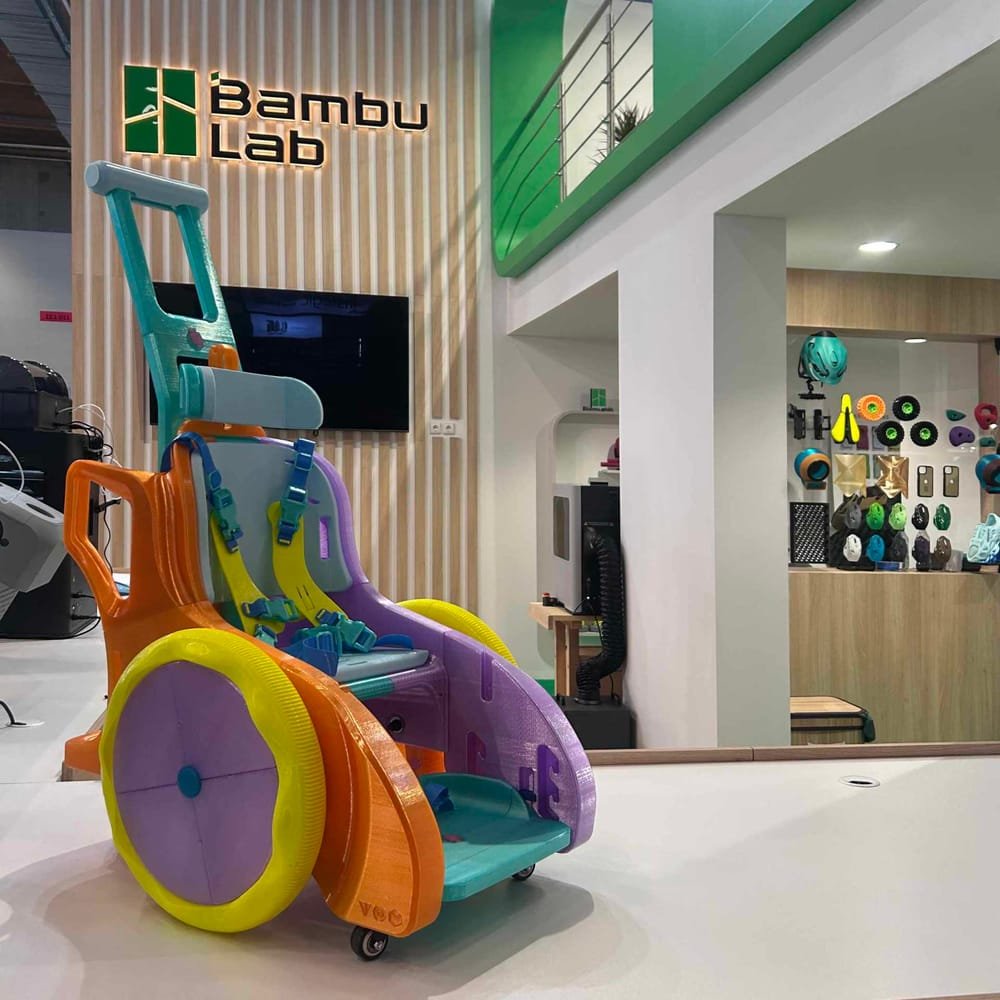
Wheelchair options for this toddlers and young children are rarely available, affordable, or covered by most insurance providers. Without access to size-appropriate mobility devices, children are forced to wait until they are older to move independently- delaying development, exploration, and inclusion at a critical stage. Introducing the Toddler Mobility Trainer (TMT), a first-of-its-kind 3D-printed mobility concept developed in collaboration with Tikkun Olam Makers (TOM) and MakeGood. The TMT is an open-source prototype intended for research, testing, and educational purposes. It’s currently being printed in homes, libraries, schools, and print hubs in 19 countries to delivery mobility solutions to kids in need.
DEVELOPED WITH TOM AND MAKEGOOD
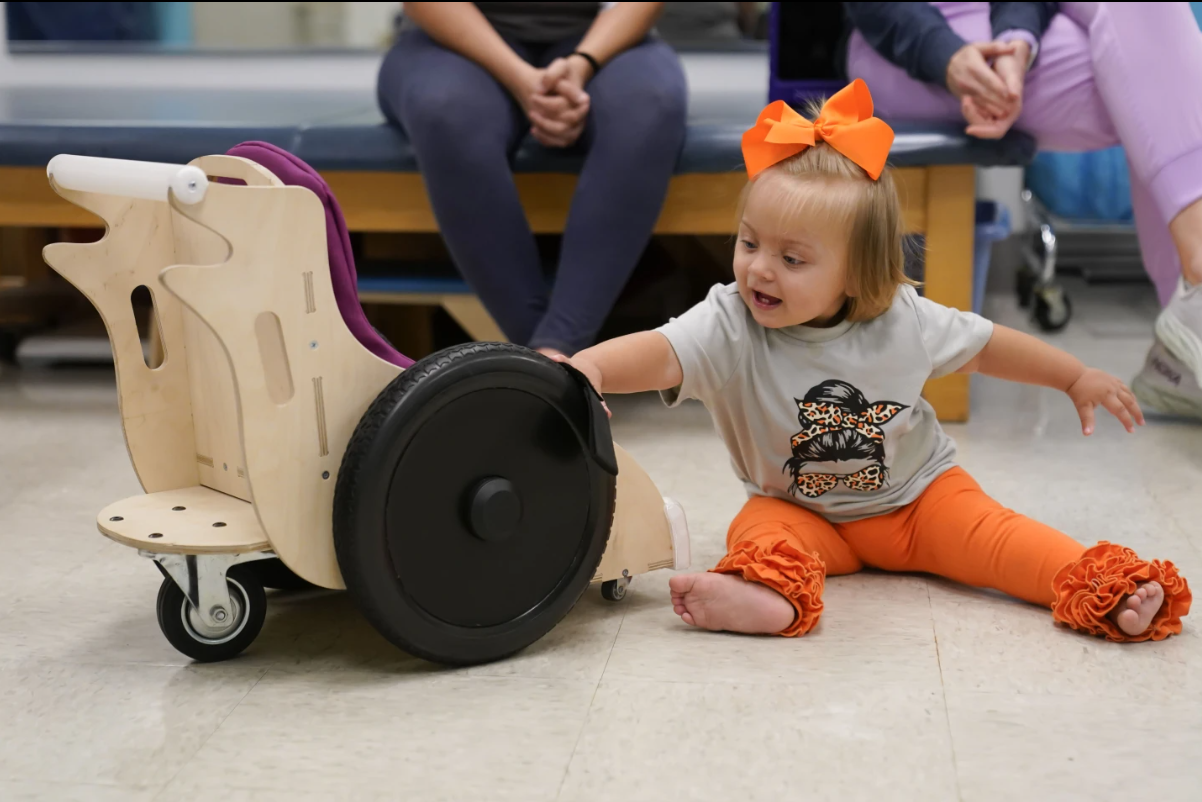
The original toddler mobility trainer was developed at TOM as an affordable and easily made mobility trainer suitable for younger ages in indoor environments. The project was developed with the help of Go Baby Go Israel, Shenkar College students, TOM Israel Summer 2022 Interns, and the TOM Global R&D Team. Constructed from smooth-sanded High-Quality Birch Plywood, featuring metal hardware and an upholstered back and seat cushion, the original TMT was thoughtfully designed by industrial designers and engineers, along with the supervision of Physical and Occupational Therapists.
With the push to bring the concept to a larger audience, our team volunteered to take on the challenge presented by MakeGood to transform the existing TMT design into a prototype concept that could be printed on a consumer level FDM 3D Printer.
CONSTRUCTED FOR HOME 3D PRINTERS
Utilizing the ergonomic hardpoints of the existing TMT we iterated on various design directions to evolve both the form and construction of the trainer. We wanted to increase the approachable feel of the design while maintaining elements of the original design.
The biggest challenge was to split the design into sections that could fit on a standard 3D Printer to later be assembled. Each split line between parts was carefully selected as to minimize the number of joints needed, bringing the entire assembly aside from the seat and straps onto less than twenty build plates.
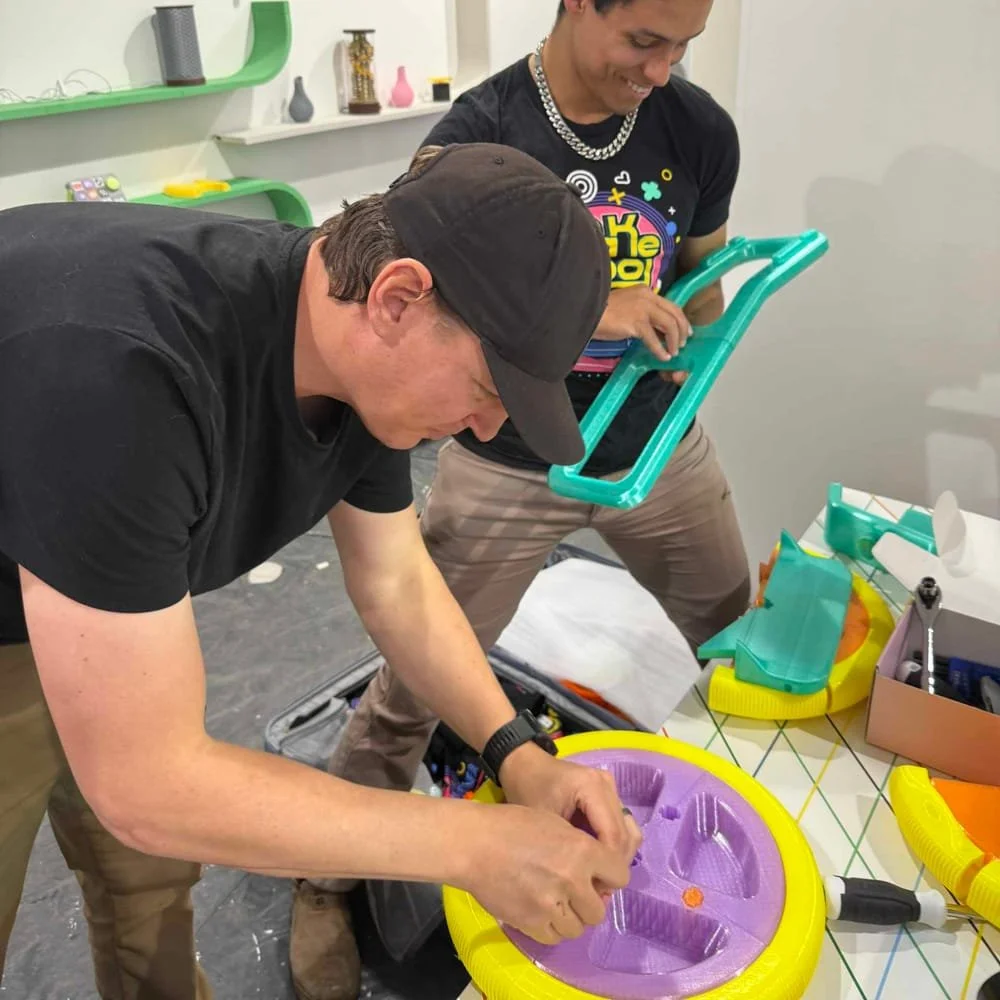
With the design being split into smaller pieces for printing, we designed each piece to interlock with it’s surrounding pieces with to eliminate the need for any fasteners or glue for the assembly of the frame in order to reduce complexity, part count, and potential for improper assembly.


DESIGNED TO SHARE
This project was created in collaboration with designers, engineers, therapists, and disability advocates who shared insights into mobility challenges and inclusive design. Multiple rounds of prototypes were created by all teams involved to refine the design. TOM and MakeGood were able to access their network of experts to provide valuable feedback on the prototype.
The intention of sharing this work is to contribute to the open design community and encourage thoughtful experimentation, research, and discussion around low-cost, locally manufactured assistive concepts. Independent organizations may choose to build upon this work under their own responsibility and governance.
The prototype concept is published into the public domain and accessible for free.

ABOUT THE TEAM

TOM - Tikkun Olam Makers - is a global movement of communities that creates and disseminates affordable solutions to neglected challenges of people living with disabilities, the elderly and the poor.
The TOM Movement is made up of local TOM Communities and LINK PBC is proud to be the US mountain west central hub of this network.

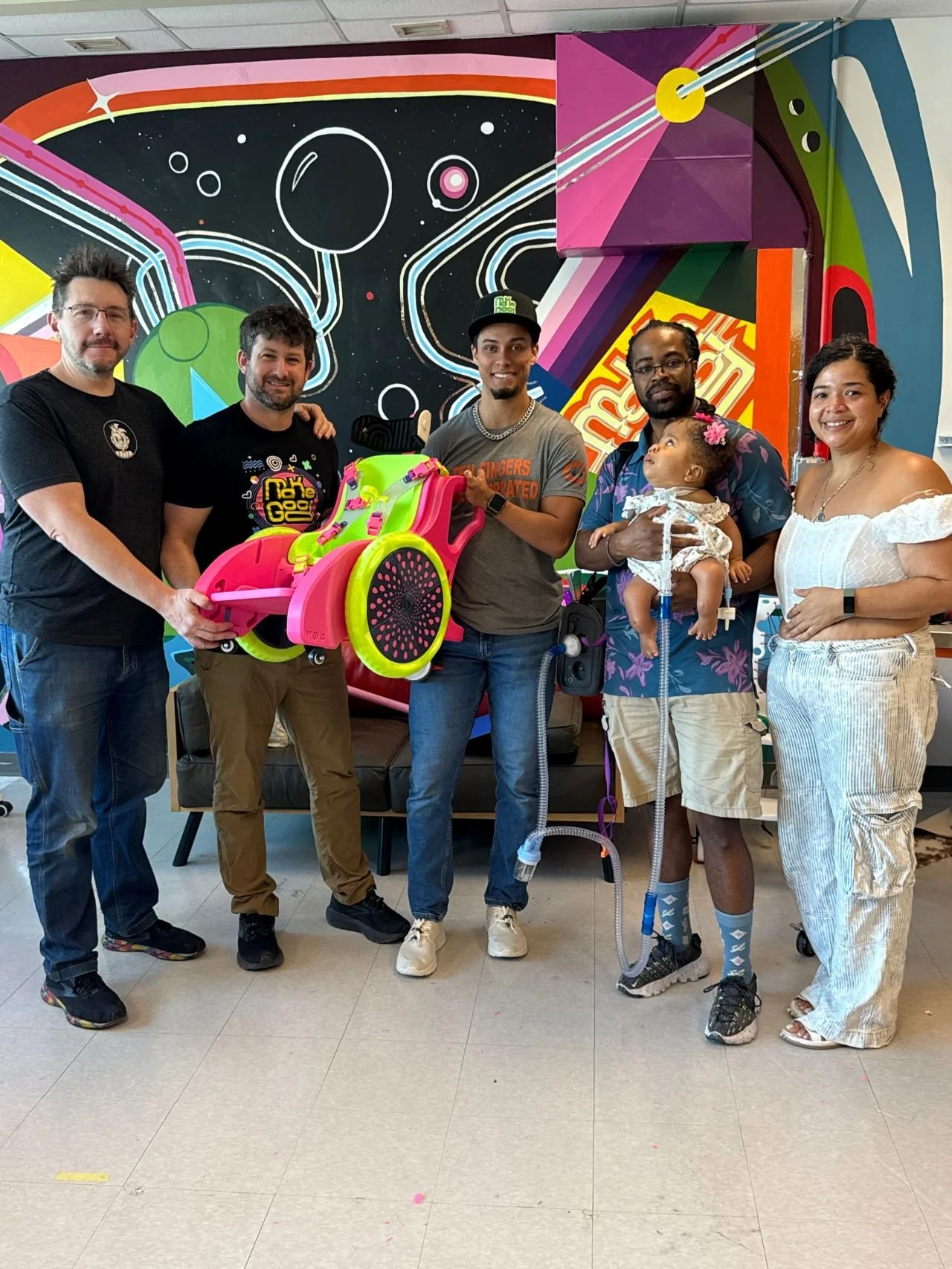
MakeGood is an innovative non-profit that creates custom assistive devices. They support individuals with special needs, disabilities, and chronic conditions—empowering them through adaptive solutions. They have been building and gifting TMT’s to families that need them in the United States.
Noam, the founder of MakeGood, was the catalyst in instigating the push for a 3D printed TMT as he knew it would enable his team to fabricate these devices more efficiently to meet the ever growing list of children and families in need of them.
Disclaimer:
This project page is for documentation and educational purposes only. LINK PBC does not manufacture, distribute, or certify physical devices or design files related to the Toddler Mobility Trainer. Any physical device produced by third parties is fabricated and used at their own risk. This project is not a certified medical device. Users should consult appropriate professionals and follow local regulations before fabricating or using any physical device derived from this work. No claims are made regarding the safety, durability, regulatory compliance, or clinical effectiveness of any device derived from this concept.