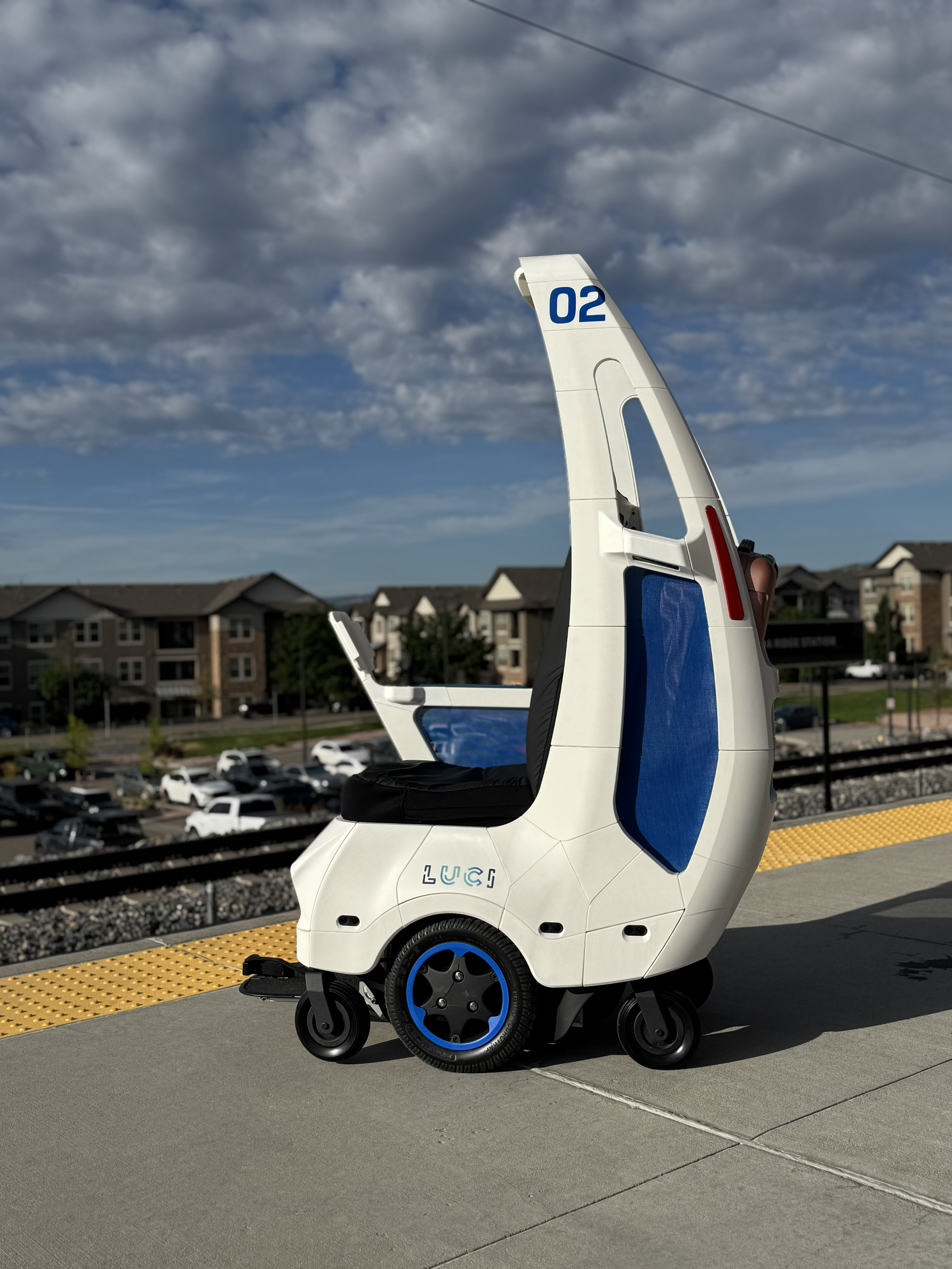
LUCI AUTOMATED MOBILITY PLATFORM
User Research | Industrial Design & Development | Prototyping
TACKLING THE PUBLIC TRANSPORT CHALLENGE
One of the most pressing challenges facing the public transportation sector is the first mile/last mile problem, which refers to the distance a commuter needs to travel from a transit stop to their destination. While options are available to bring people to the entry point of large-scale facilities– such as airports, universities, conference halls, and medical campuses – they only provide transportation to high-traffic locations outside of these facilities and leave commuters to walk the first or last leg of their trip. This creates a significant barrier to approximately 25% of commuters nationwide and disproportionately affects disadvantaged communities, including elderly, disabled, and systemically underserved populations.
The Automated Mobility Platform system (AMPs) concept was conceived to resolve these transportation challenges.
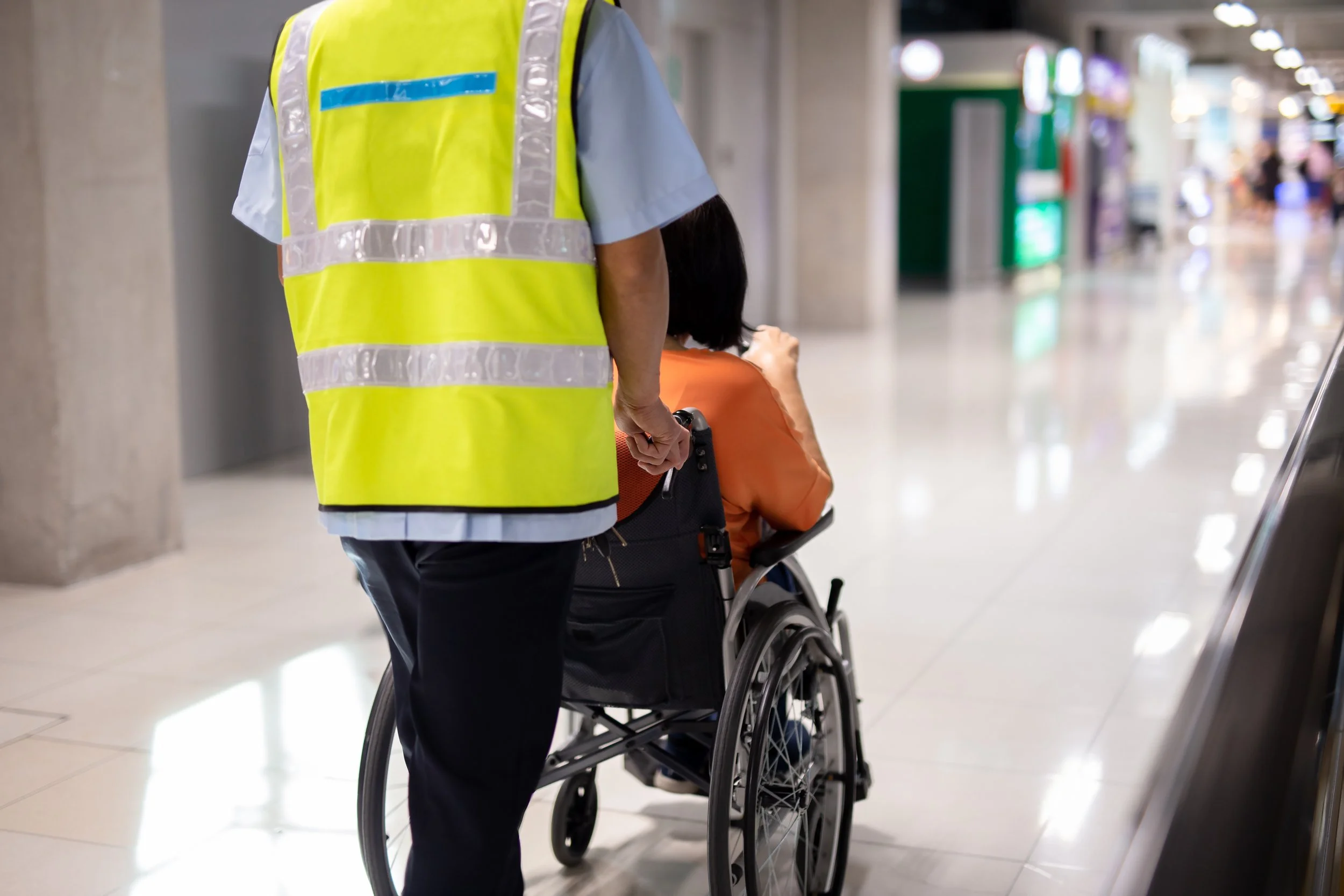
Existing Methods
Relies on human power, availability, and schedules
Limits independence
Less efficient travel
Automated Mobility
Increased Independence
Improved human interactions
More efficient and comfortable travel
SINGLE PASSENGER TRANSPORT
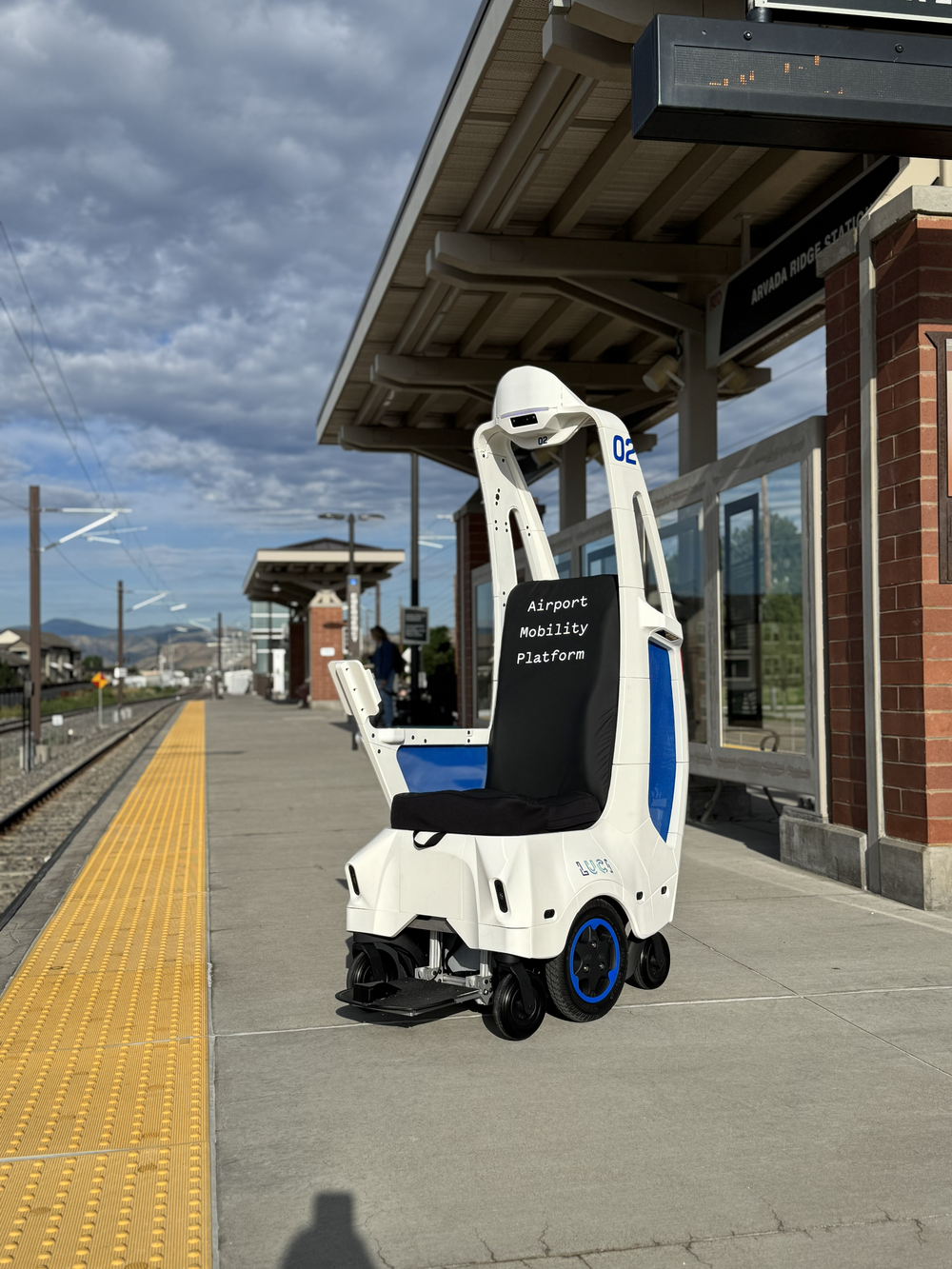
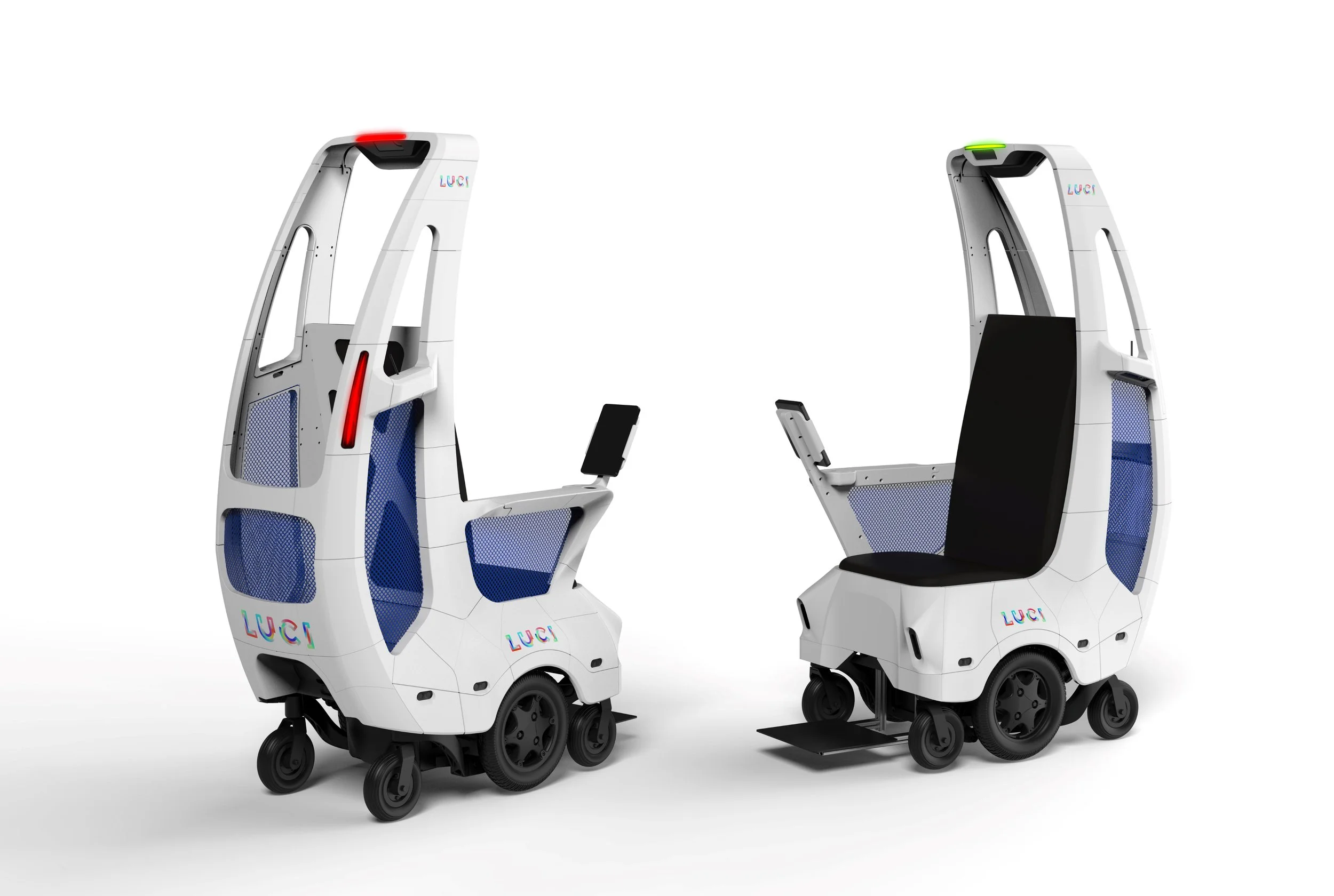
The AMP’s navigate environments autonomously with input from both the user and the control dashboard that provides real time information to the vehicle about important things along their journey.
In an airport environment, these vehicles to take a user from the parking lot through to their gate, informing them along the way about flight status, security line times, and providing other wayfinding assistance. If the user wants to stop to use a restroom or visit a restaurant, the vehicle can go into standby mode and be ready to resume the journey.
This freedom of choice and movement is much more difficult with traditional methods of transportation that rely on airport staff to move people through the airport. Those staff members are responsible for getting people from entry to destination and they need to do so efficiently, which can limit stops or cause delays depending on availability and schedule. Autonomous vehicles overcome those challenges.
DESIGN DETAILS
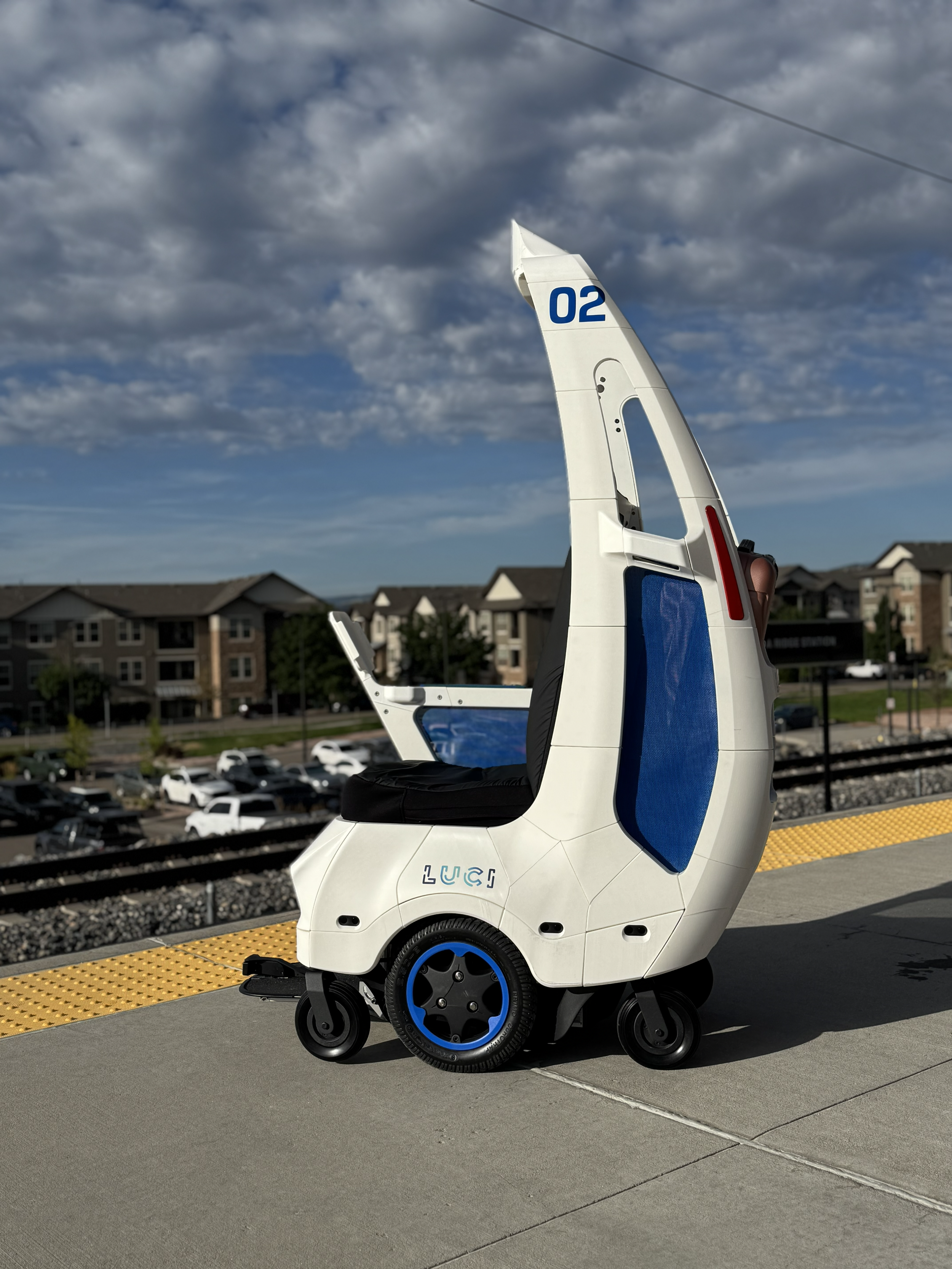
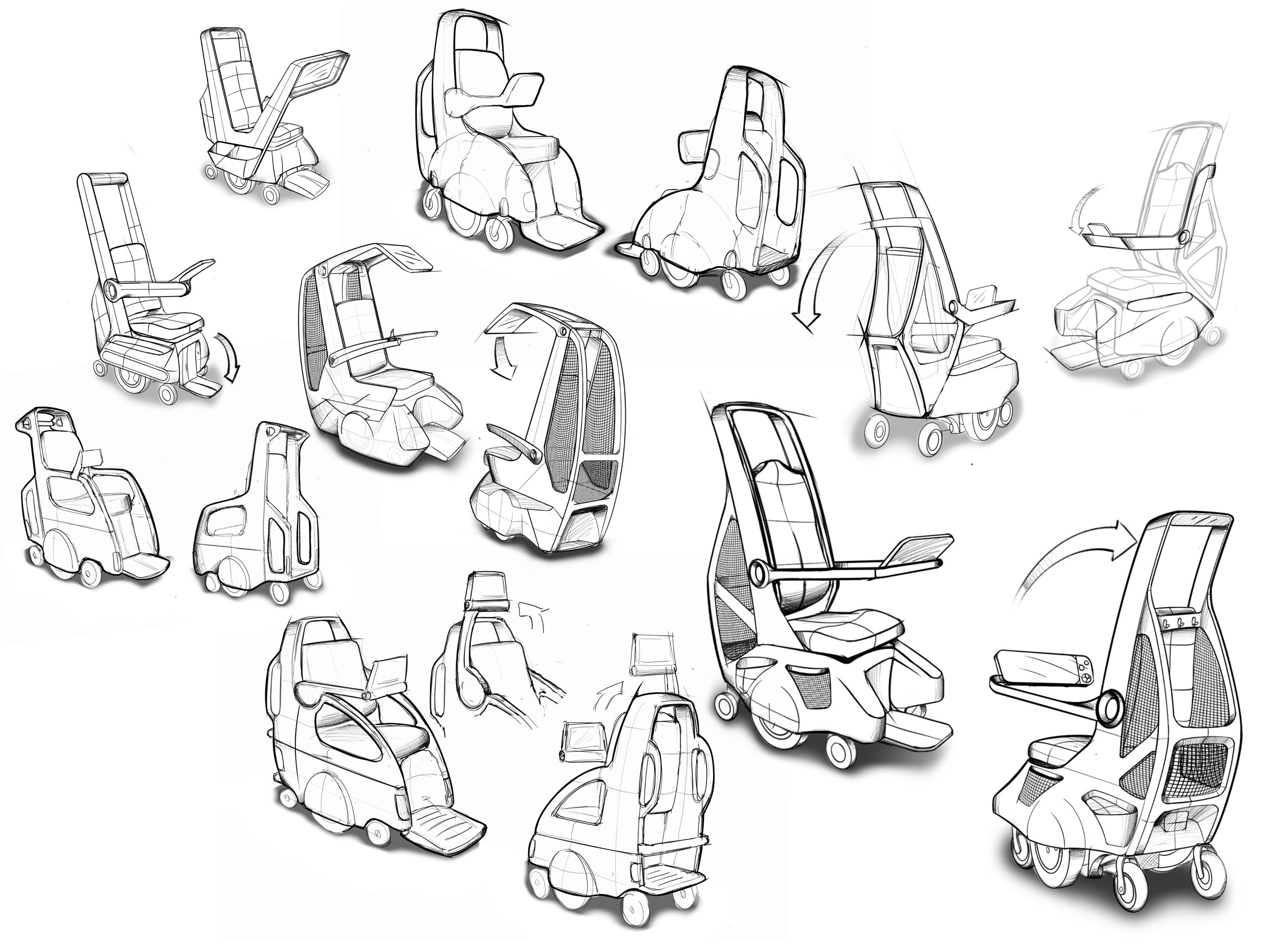
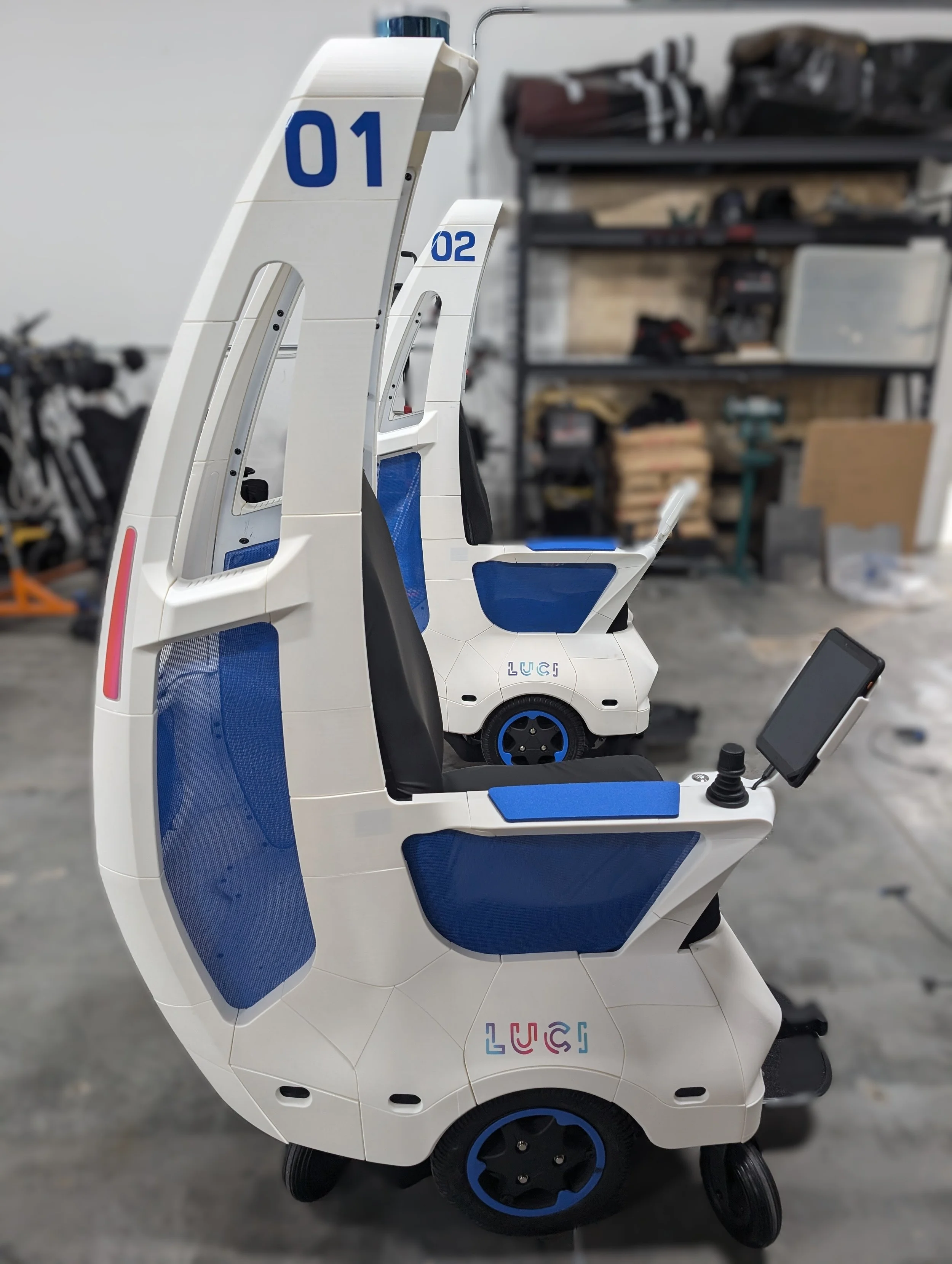
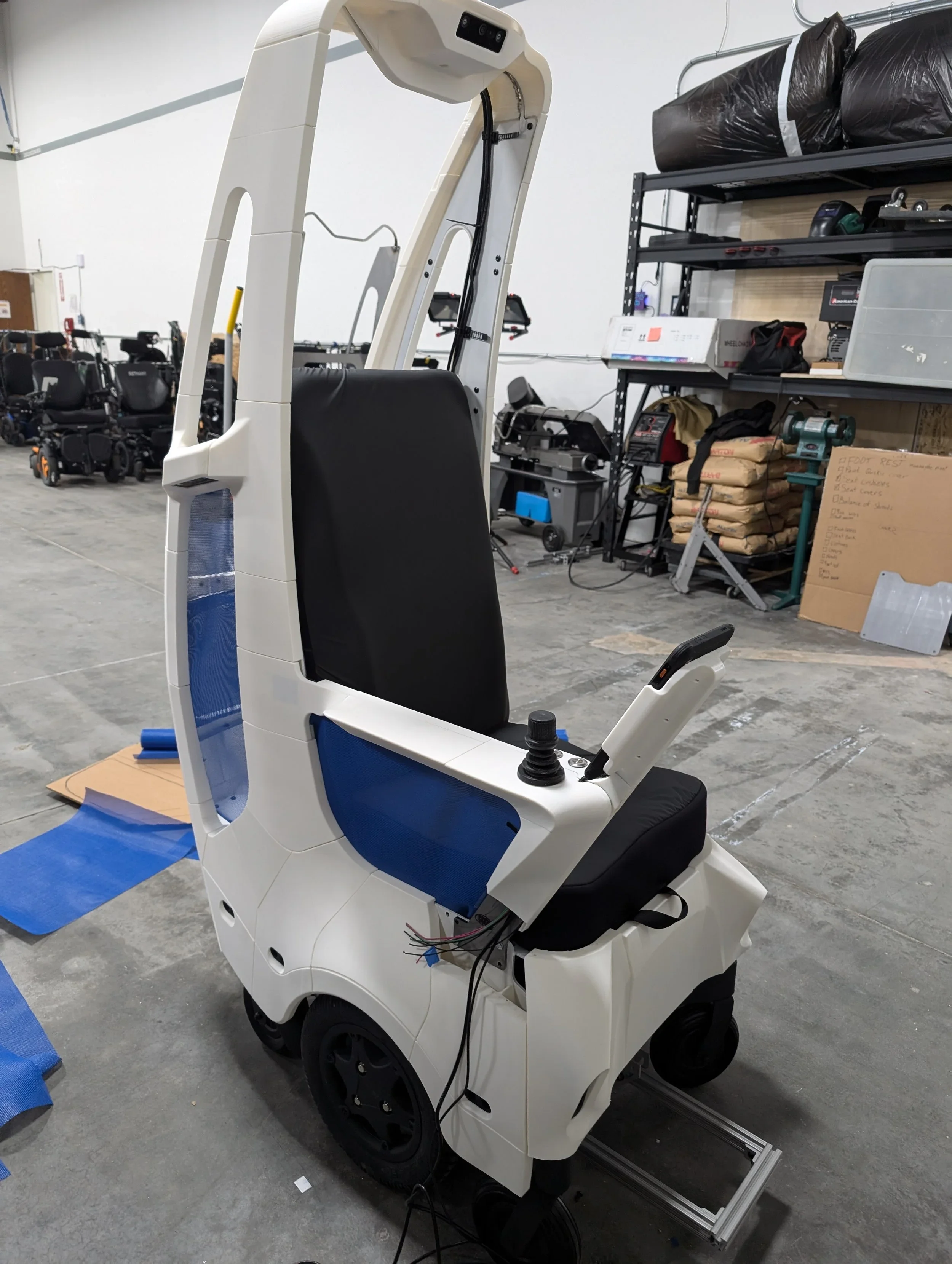
The AMP’s size and maneuverability allows the AMP’s to be used in a variety of locations and conveyance systems such as elevators and other transportation systems that can accommodate power wheelchairs. The top arch structure of the chair creates a strong visual presence for the chair, and additionally holds sensors to assist with collision detection and navigation. Storage space, for bags and mobility aids like canes, was added behind the seat to keep belongings contained and at arms length during transport. Throughout the journey, an integrated digital interface provides the user with details about their flight status, and provides confirmation of their transport throughout the building.
REAL WORLD DEBUT
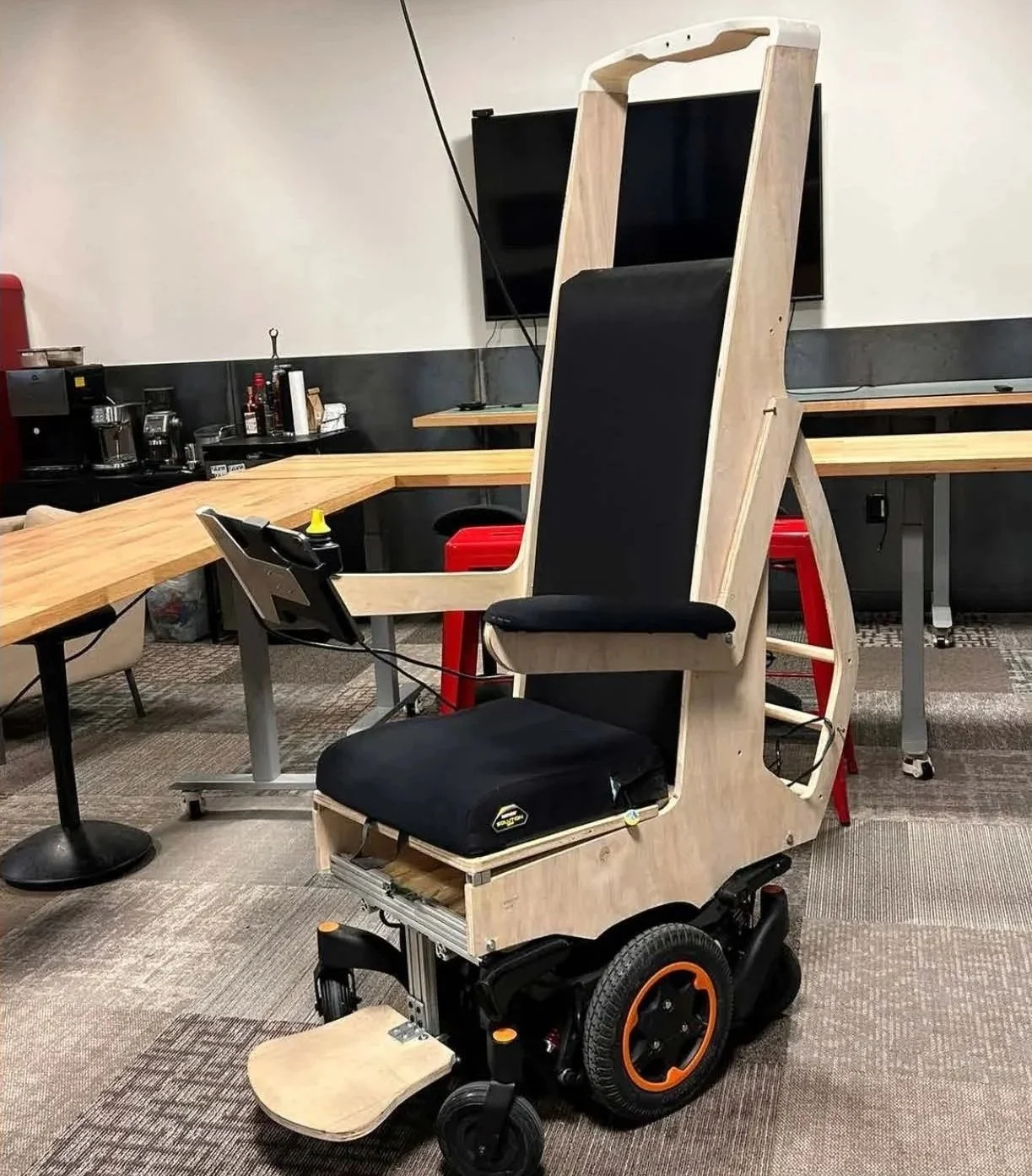
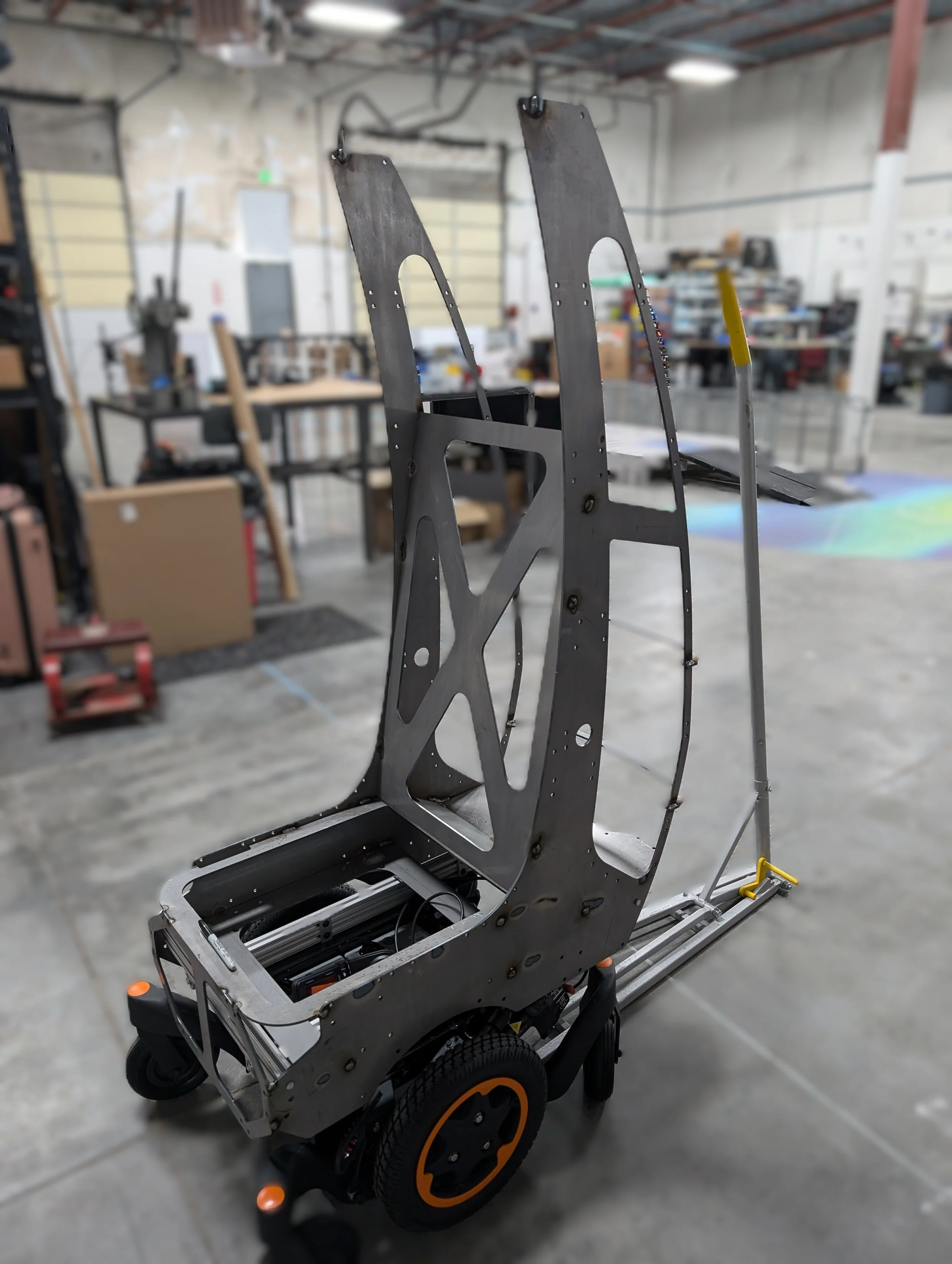
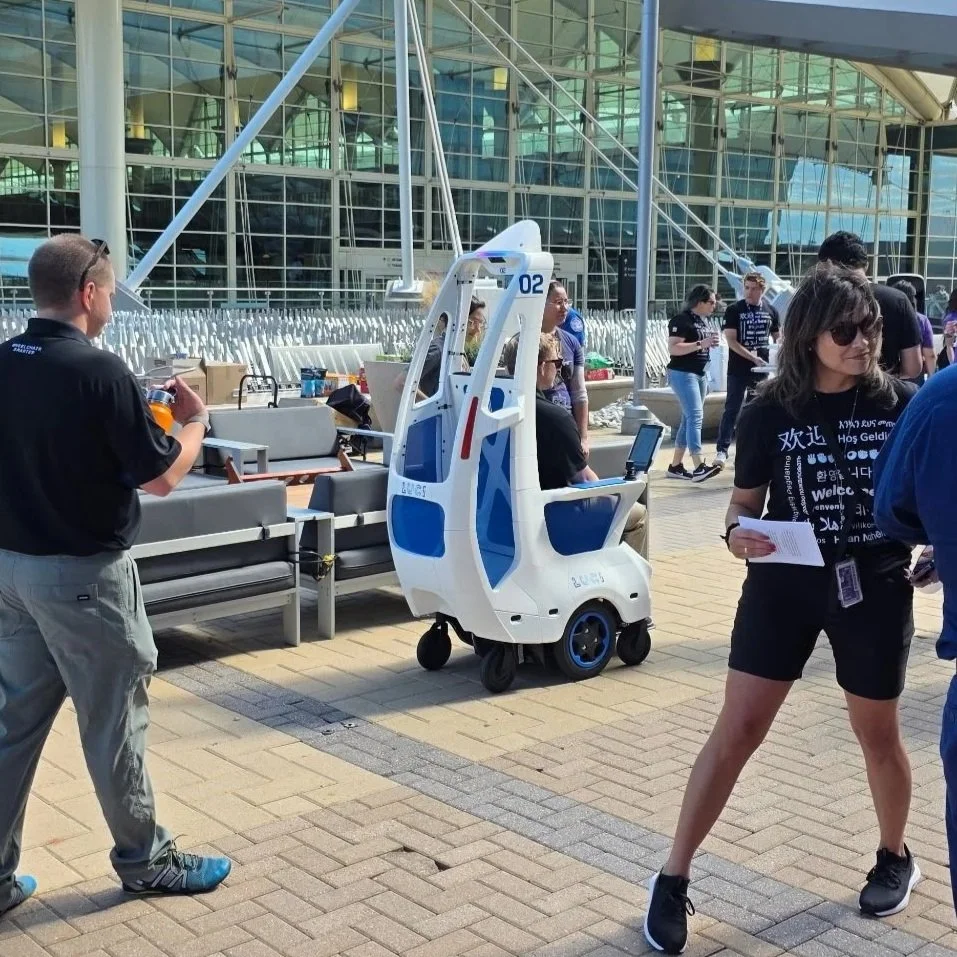
Our team was responsible for not only designing the vehicle but also creating physical prototypes that could be tested by potential users. We fabricated the underlying chassis and created shrouds to house various sensors and controls. We worked closely with LUCI on sensor placement around the vehicle to ensure that the vehicle could see what it needed to in order to drive autonomously.
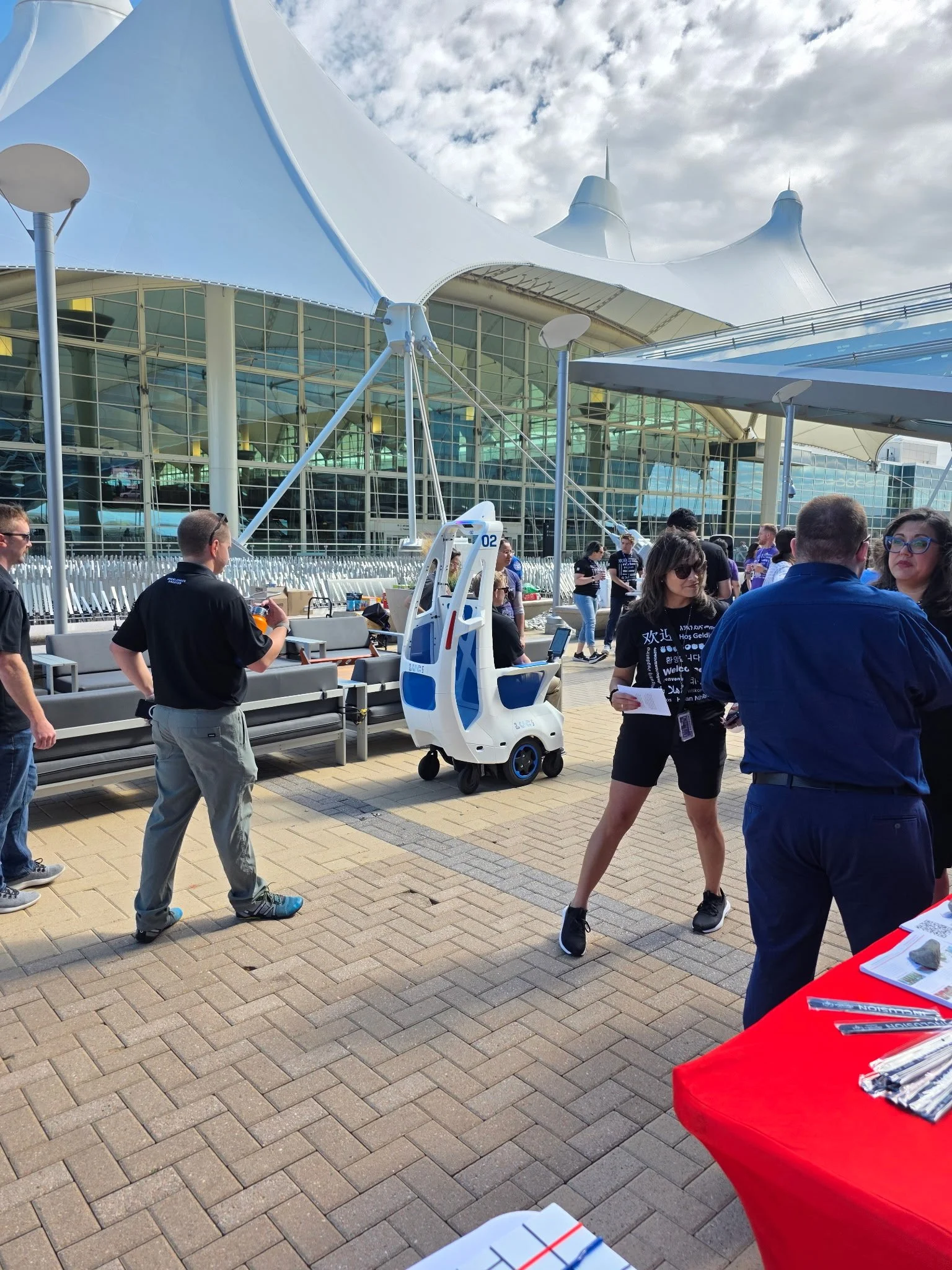
The prototypes made their public debut at the Denver International Airport during their annual accessibility fair during which the LUCI team was able to gather feedback and first impressions.